10 Common Security Risks Every Commercial Property Owner Should Know
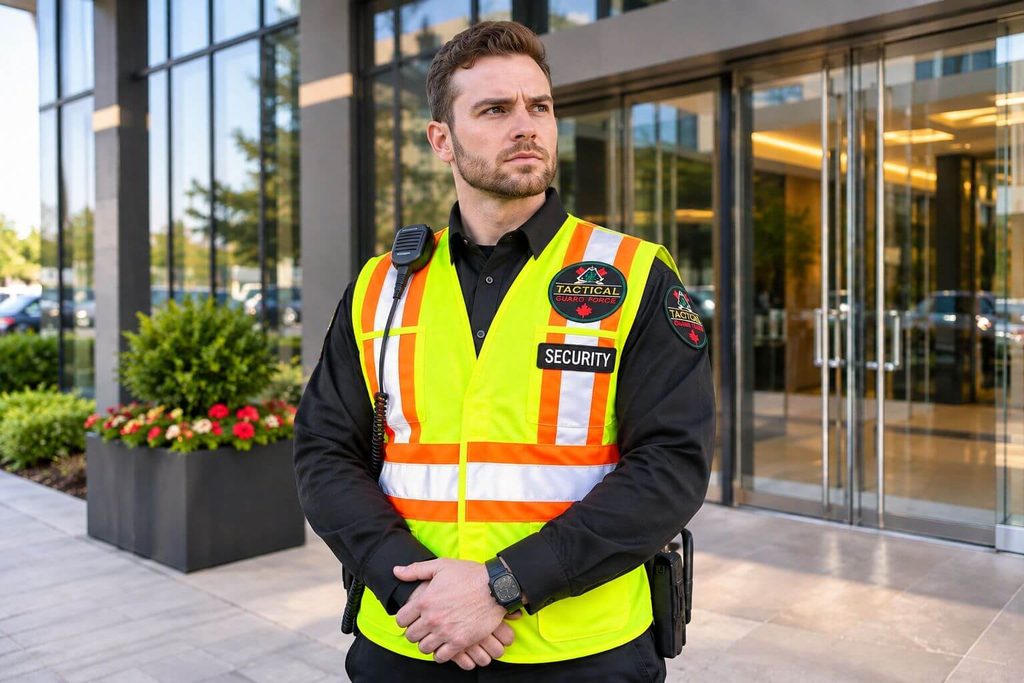
Most commercial property owners think about break-ins first. That makes sense, but it’s only one of the
security risks a building faces. Problems can also come from unlocked doors, shared keys, dark parking lots
and cameras that nobody checks.
Some risks are obvious. Others build up slowly until something goes wrong.
Whether you own an office building, a plaza, an industrial unit or a mixed-use property in the GTA, here are 10 common security risks to watch for, along with practical ways to reduce them.
1. After-Hours Break-Ins
Once tenants go home, a commercial building can sit empty for 12 hours or more. Weekends and holidays
can leave it empty even longer. Quiet buildings are easier for thieves to test.
Common targets include electronics, tools, stock, cash and copper wiring. Even an unsuccessful break-in can leave you paying for broken doors, damaged glass and emergency repairs.
An alarm system, solid locks and regular mobile patrols at varied times can make an empty building less
inviting. Make sure someone is responsible for receiving alarm notifications and following up.
2. Weak Access Control
If you don’t know who can get into your building, you can’t properly control who does. Over time, keys get
copied, codes get shared and access cards remain active after tenants or staff move on.
Review access permissions regularly. Deactivate old cards and change codes when someone leaves or no
longer needs access. For buildings with many tenants or visitors, a staffed front desk or concierge can check
people in and keep a record.
3. Tailgating at Entrances
Tailgating happens when someone follows an authorized person through a secure door. Many people hold the door open to be polite, which is exactly why it can happen.
It’s one of the easiest ways for an unwanted visitor to get past a locked entrance. Clear signs and tenant
reminders can help. For buildings with controlled access, consider entry systems that require each person to
use their own access card. Security staff can also monitor busy entrances and report repeated tailgating
incidents.
For properties with frequent visitors, concierge security can help manage reception, visitor sign-in and access procedures.
4. Unlocked Doors and Propped Exits
A strong lock does nothing if a door is left open. Back doors may be propped open for deliveries, side exits
may be left ajar and loading doors can stay open longer than they should.
Set a clear closing routine for tenants, cleaning teams and maintenance crews. A guard or patrol officer can
check doors after hours and report any that have been left open, so the underlying habit can be addressed.
5. Poor Lighting and Blind Spots
Dark corners, unlit loading areas and overgrown landscaping can give people places to hide. They can also
make tenants and visitors feel unsafe walking to their cars, especially during Canadian winters when it gets
dark early.
Walk your property after dark a few times a year. Look for burnt-out fixtures, shadows near entrances and
areas your cameras cannot see. Trimming hedges and moving dumpsters away from doors can improve
visibility.
6. Vandalism and Loitering
Graffiti, broken windows and damaged signs cost money to repair. They can also make a property look
neglected, which may affect how tenants and customers see it.
Loitering around entrances, stairwells or vestibules can make people uncomfortable and may sometimes lead to further problems. A security guard can speak with people, report concerns and follow the property’s
procedures. In Ontario, a guard authorized by the property owner can help monitor access and communicate trespassing concerns under the property’s procedures and applicable trespass laws. Any action should stay within the guard’s authority and training.
7. Parking Lot Problems
Parking lots are often among the least-watched areas of a commercial property. Vehicle break-ins, catalytic
converter theft, illegal dumping and unauthorized parking are common concerns for property managers.
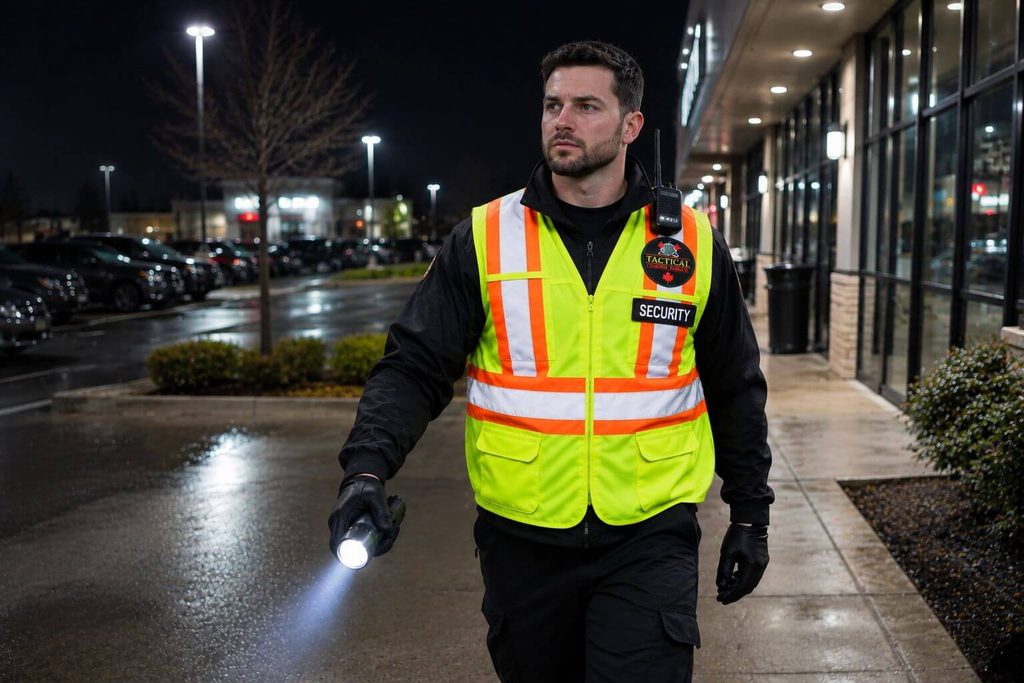
Good lighting and cameras that cover the lot can help. Regular patrols and appropriate parking enforcement
can keep spaces available for tenants and customers and show that someone is paying attention.
8. Internal Theft
Not every loss comes from outside. Staff, contractors and service providers may have keys, access codes and knowledge of when the building is empty. Most people are honest, but poor access controls can make losses harder to prevent or investigate.
Limit access to the areas each person needs. Keep records of contractor visits and review access
permissions whenever employees or service providers leave. Log entry to storage rooms and mechanical
spaces, and review the records if something goes missing. Clear procedures also protect honest staff
because everyone knows what’s expected.
9. Cameras and Alarms Nobody Checks
Many properties have cameras that record for weeks without anyone reviewing the footage. Some cameras
stop working and nobody notices until the recordings are needed. Alarms can also trigger at 3 a.m. with no
clear plan for who responds.
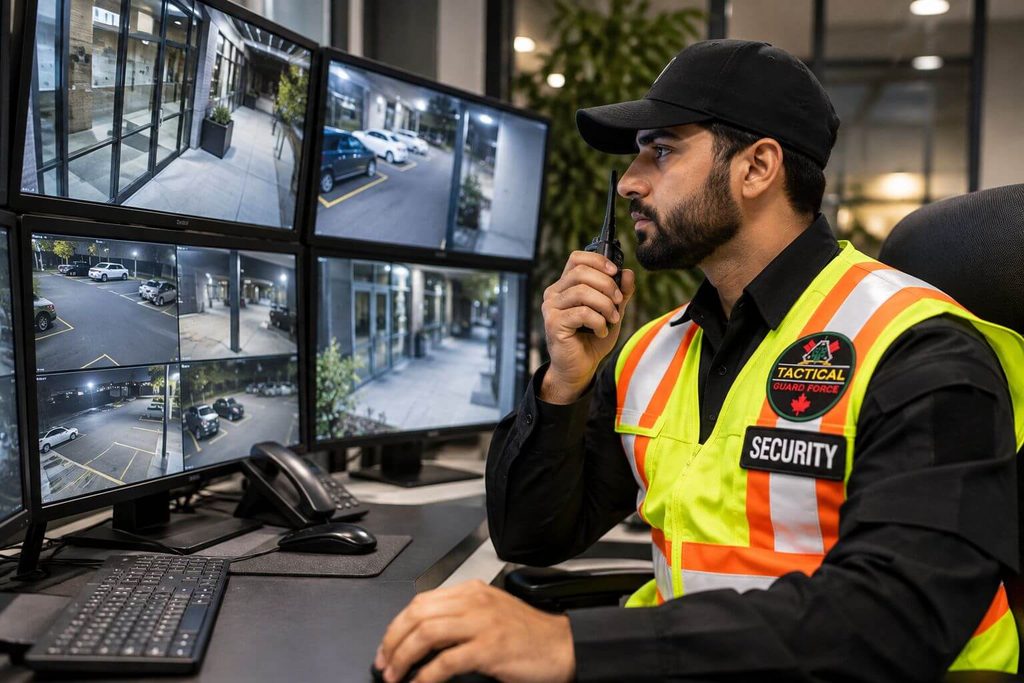
Test cameras and alarms on a regular schedule. Decide who receives alarm notifications and what happens
next. CCTV monitoring and alarm response arrangements can help ensure alerts are reviewed and incidents
are followed up.
10. No Emergency or Incident Plan
When something goes wrong, people need to know what to do. Without a plan, a break-in, flood or medical
emergency can quickly become confusing.
Write down who to call, where keys and alarm codes are securely managed, and how tenants will be
informed. Share the relevant procedures with your property manager and security provider. Keep incident
reports in one place, because patterns may only become clear when several reports are reviewed together.
On-site professional security guards can support site procedures, communicate incidents and help document what happens.
Where to Start
You don’t need to fix all 10 risks at once. Start with a walk-through of your property during the day and after
dark. Note what you see, then deal with the problems that are easiest to fix and most likely to cause trouble.
For many owners, that means better lighting, tighter key control and a clear closing routine. From there, you
can decide whether cameras, patrols or on-site guards make sense for your building.
Get Help Assessing Your Property
Every commercial property is different. A small plaza has different risks from a multi-storey office building or an industrial unit.
Tactical Guard Force Security works with commercial property owners and managers across Toronto,
Mississauga, Brampton and the wider GTA. Services include security guards, mobile patrols, CCTV
monitoring, alarm response and access control. Contact Tactical Guard Force Security to discuss your
property and the type of coverage that may suit its needs.